Chicken Got Attacked Now Walking Funny
Most lawn chicken keepers have no access to a veterinarian willing or able to treat an injured chicken, so when a pet chicken is hurt, cocky-assistance is the only recourse. Some of the following bones first aid care measures for injured chickens may be life-saving when a vet visit is not an option.

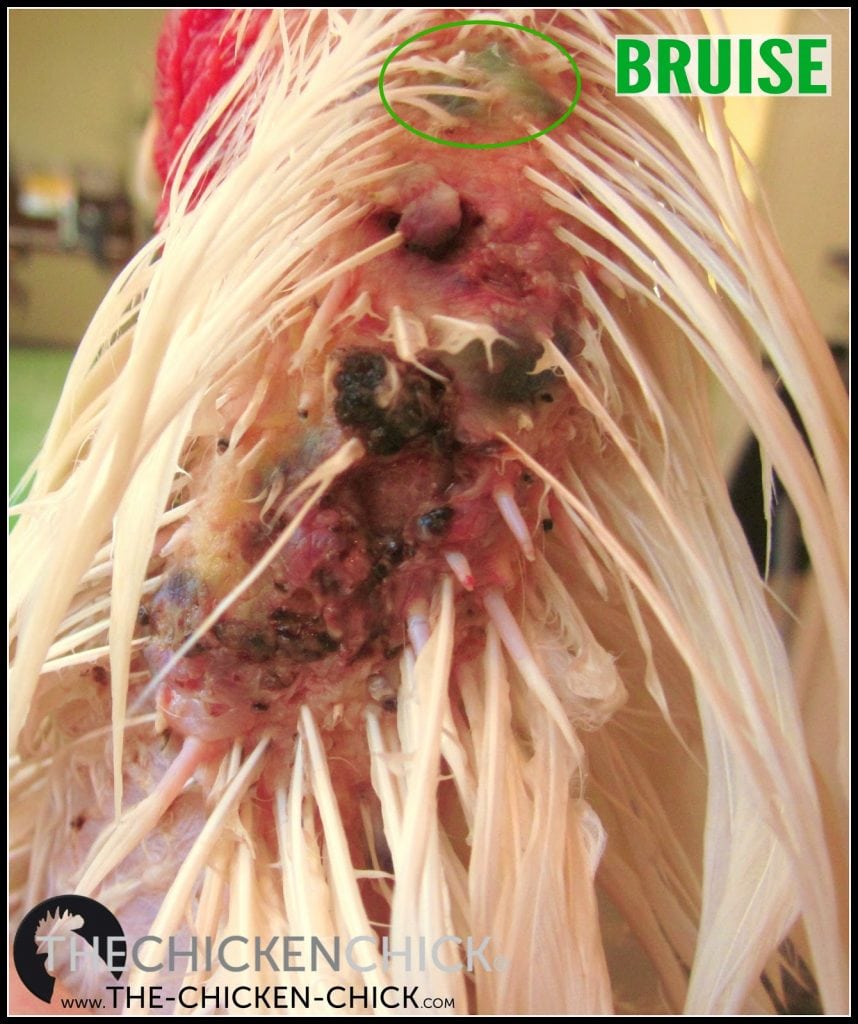
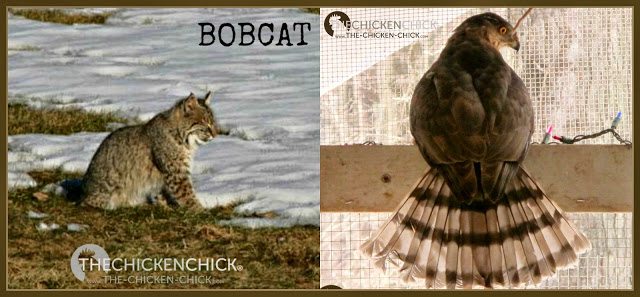
The types of injuries that near commonly occur in backyard flocks are those from chickens fighting with one some other, picking each other and attacks past predators such as dogs, raccoons, bobcats and hawks. Keeping calm when discovering an injured chicken is the first priority and when you lot know what needs to be done, it'southward easier to remain composed.
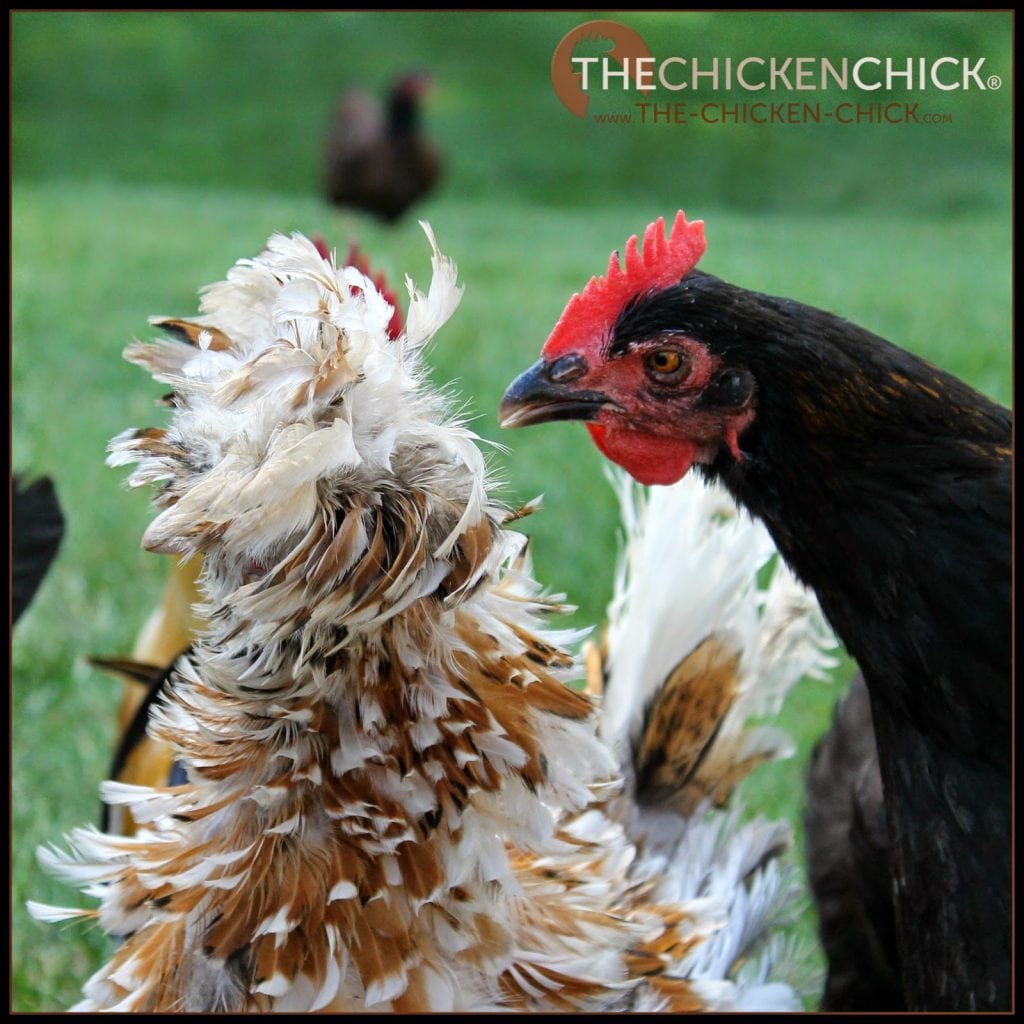
PREPARING FOR Craven INJURIES
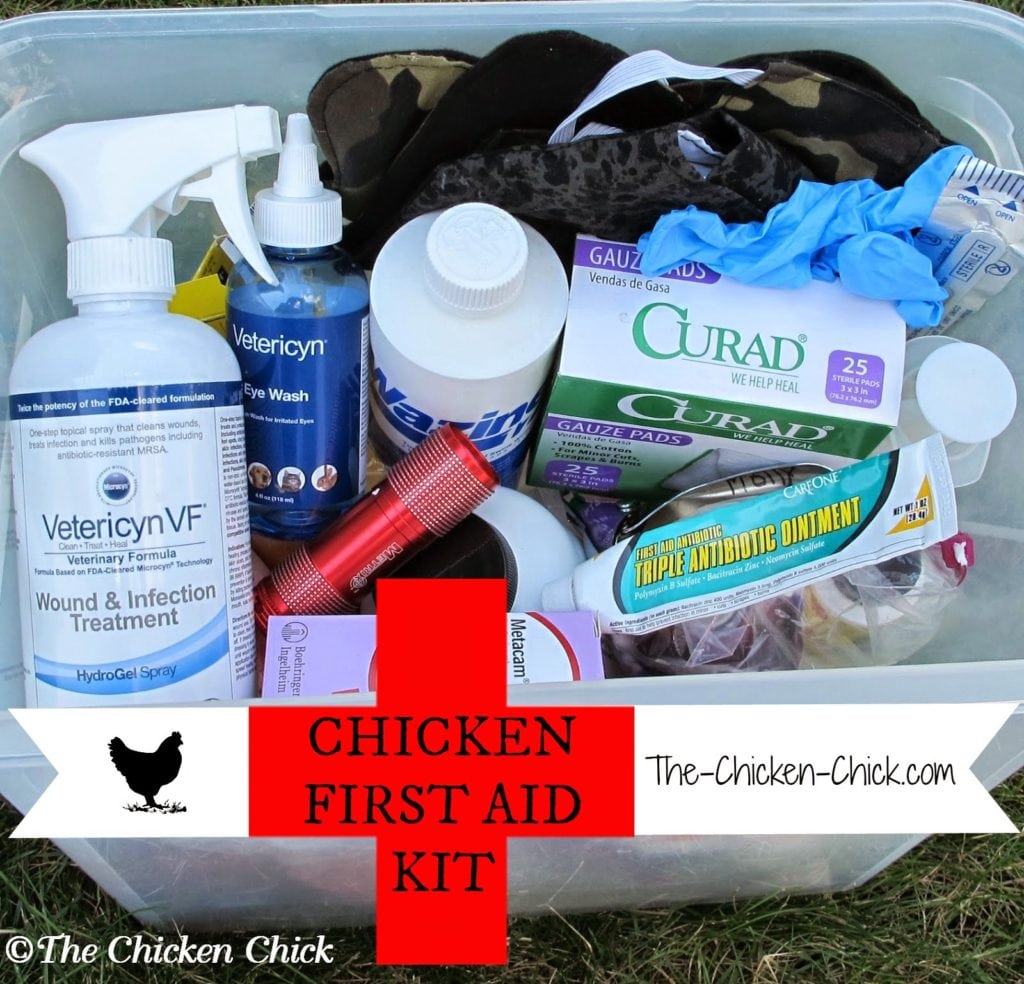
1. First Aid Kit.
Have a well-stocked first assist kit ready in an easily accessible location. This article detailscraven showtime aid kit essentials.
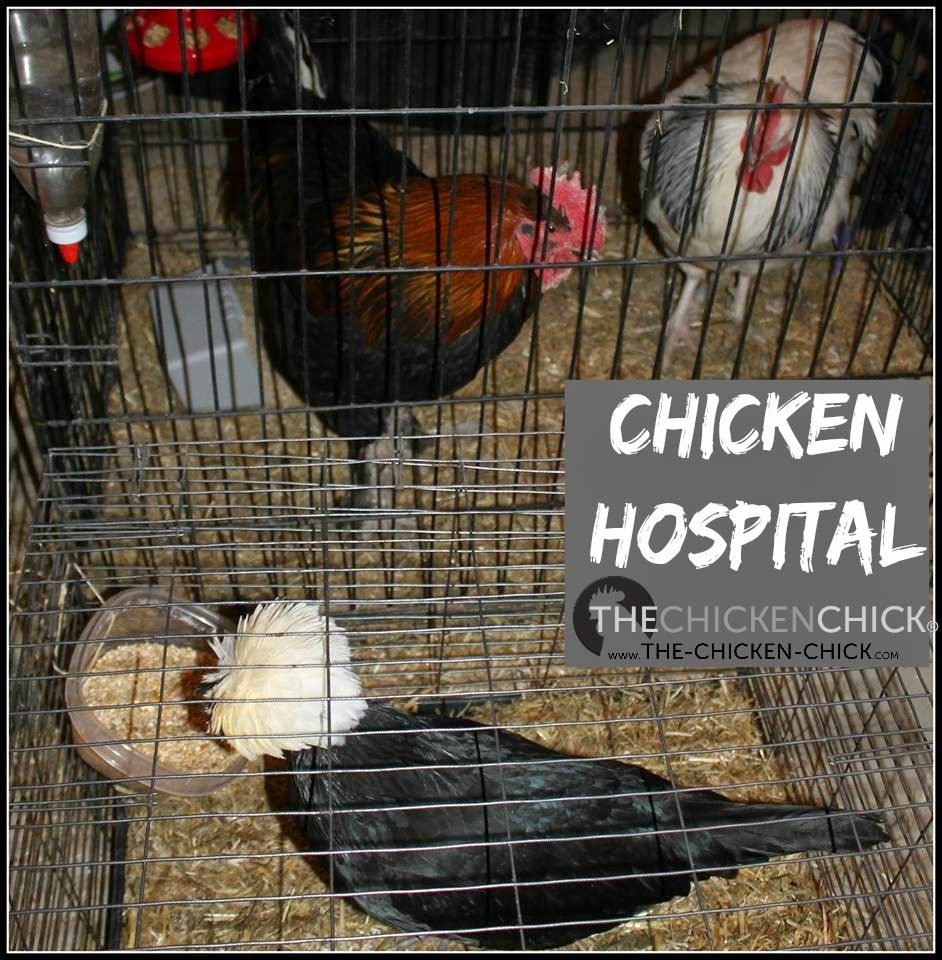
ii. Infirmary & Recovery Space.
Have a dedicateddog crate or pet kennel/carrier with soft litter cloth. Pine shavings piece of work well, but a soft towel will suffice temporarily. The chicken hospital area should be a repose space away from the coop, inside the house, garage or basement where the chicken will remain until fully recovered. It should be conveniently located for frequent observation. I highly recommend using a dog kennel muzzle because they are spacious, like shooting fish in a barrel to clean and cage cups for food and poultry nipple drinkers to keep the litter, nutrient and water make clean and dry out.
3. HAVE A EUTHANASIA PLAN
With a severe injury the worst case scenario of is always death and sometimes the kindest matter nosotros can do for a chicken is to end their suffering humanely. Many vets, fifty-fifty those that do not treat chickens, will agree to euthanize a sick or dying bird. Find out who those vets are in advance of needing them.
Euthanasia by Cervical Dislocation
In my feel, the fastest, to the lowest degree gruesome and nigh humane method of euthanasia is cervical dislocation or "breaking" the chicken's neck, which causes instant unconsciousness and death. While holding the chicken under non-dominant arm like a football, printing its body very deeply against your side. Place your dominant hand on top of the bird's head with with your pollex at the base of the skull behind the head, fingers wrapping underneath the pharynx. With a very house grip, quickly and firmly stretch and pull the head straight frontward, away from the body while bending the neck upward towards its back until a popping audio is heard, which signals the separation of the vertebrae and instant expiry. Go along to hold the bird deeply until nerve activity has stopped.
CARING FOR AN INJURED CHICKEN
1. ISOLATE
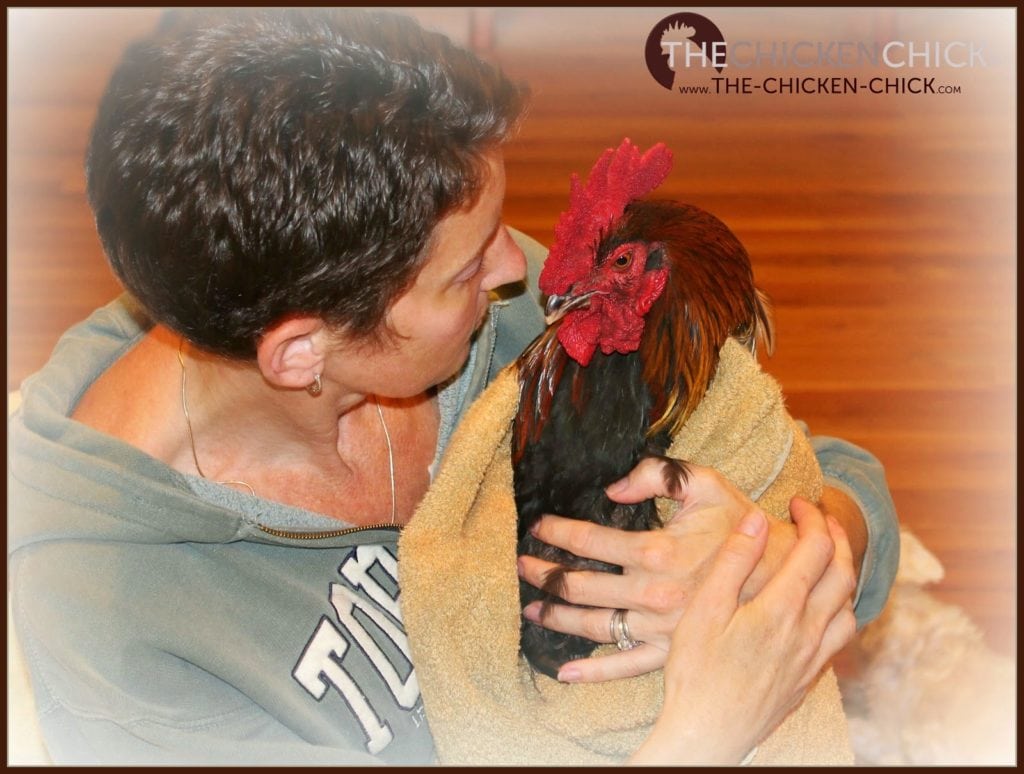
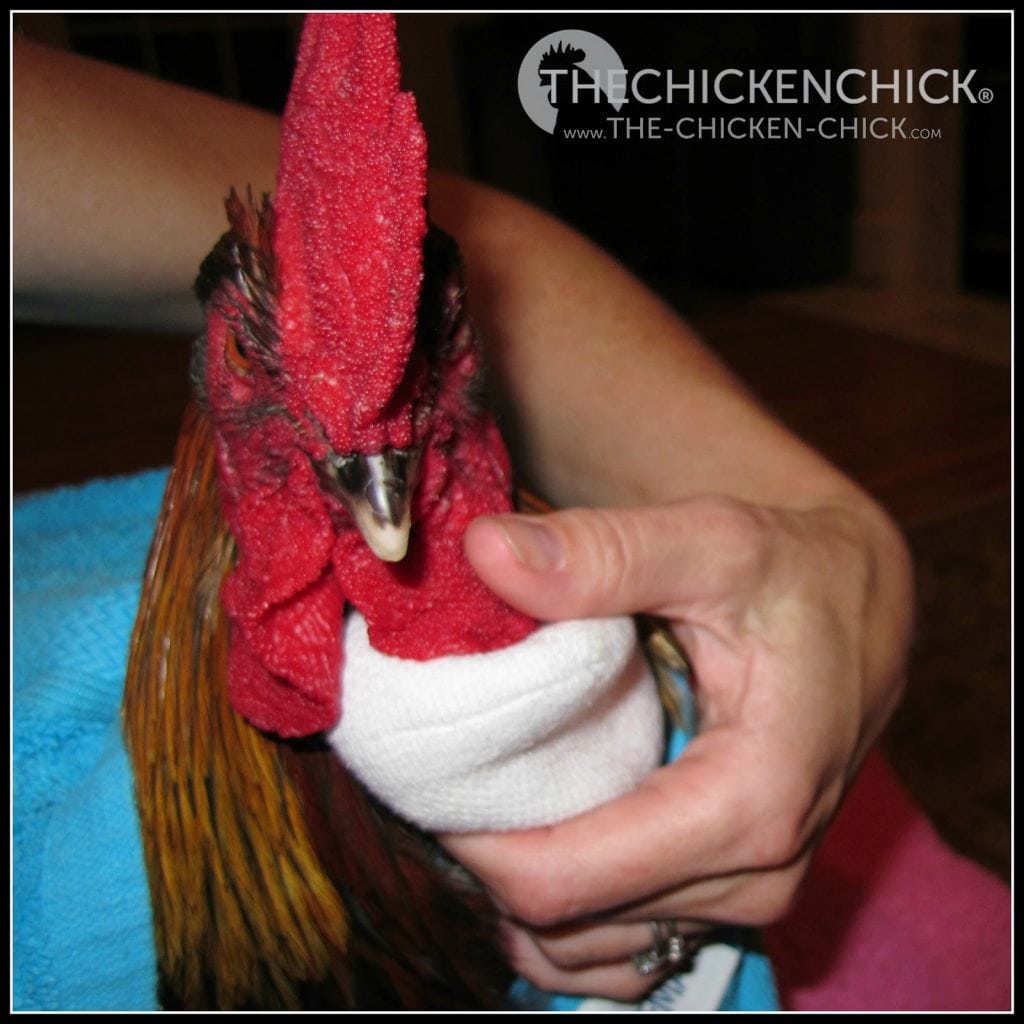
Immediately move an injured chicken to safety away from the flock to avoid further injury past other chickens. Wrapping the chicken loosely in a large towel can help go on it calm during transport from the injury scene to safety.
2. STOP Any Haemorrhage
Using a clean towel, gauze or paper towel, employ gentle, only firm pressure to an actively bleeding injury until it stops. Wearing vinyl gloves is a good idea when treating wounds. Blood finish pulverization tin can be applied to superficial wounds after active bleeding has been controlled. Bleeding wounds ofttimes look much worse than they actually are earlier they are controlled and cleaned up.
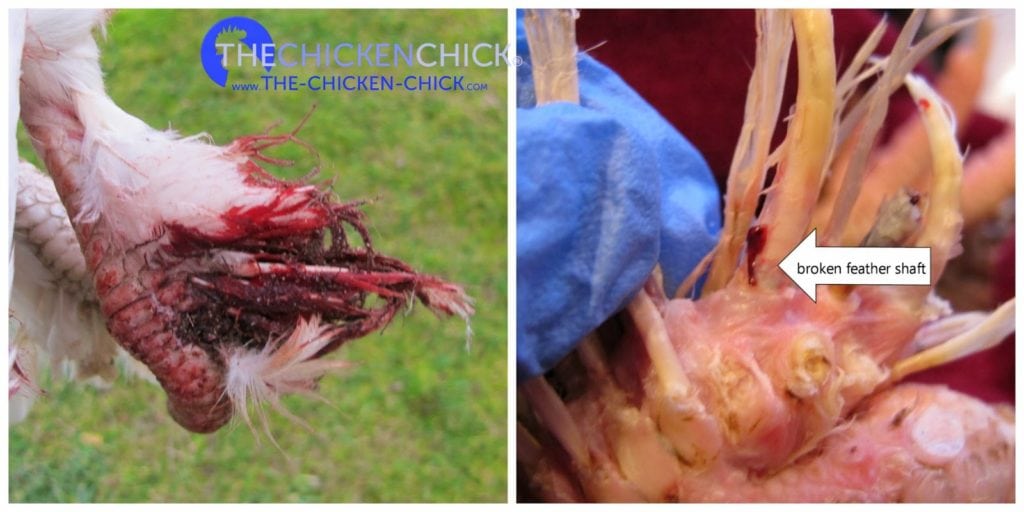
three.ASSESS & Make clean THE INJURIES
Examine the craven from caput to toe. Feathers may conceal wounds and bathing the bird makes finding them easier, peculiarly with puncture wounds from a hawk's talons, for case. If necessary, trim or pluck feathers in the vicinity of a wound to foreclose interference with healing. Be very careful none of the feathers are newly emerging pin feathers, however. Learn more about pin feathers here.
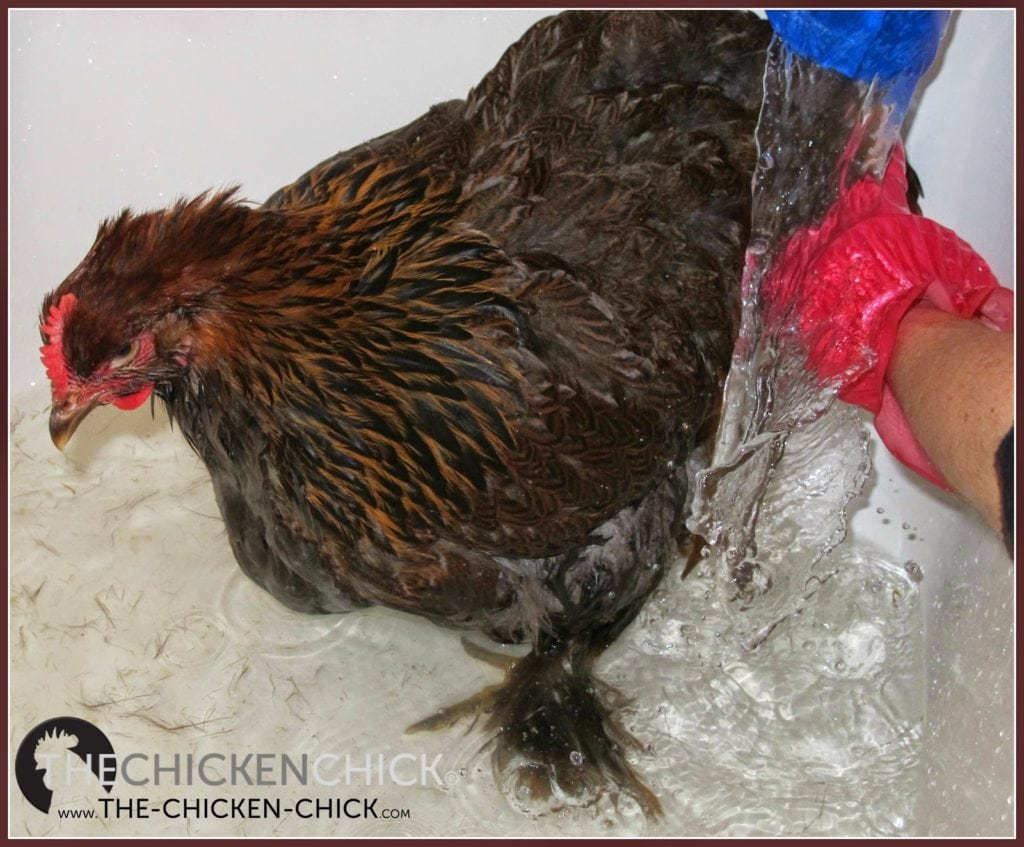
All wounds should exist thoroughly cleaned. H2o with betadine, chlorhexadine 2% solution spray, orVetericyn Wound Intendance Spray tin all be used for cleaning wounds.
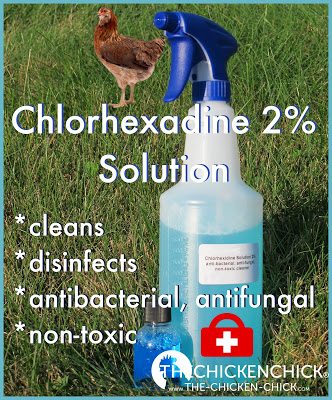
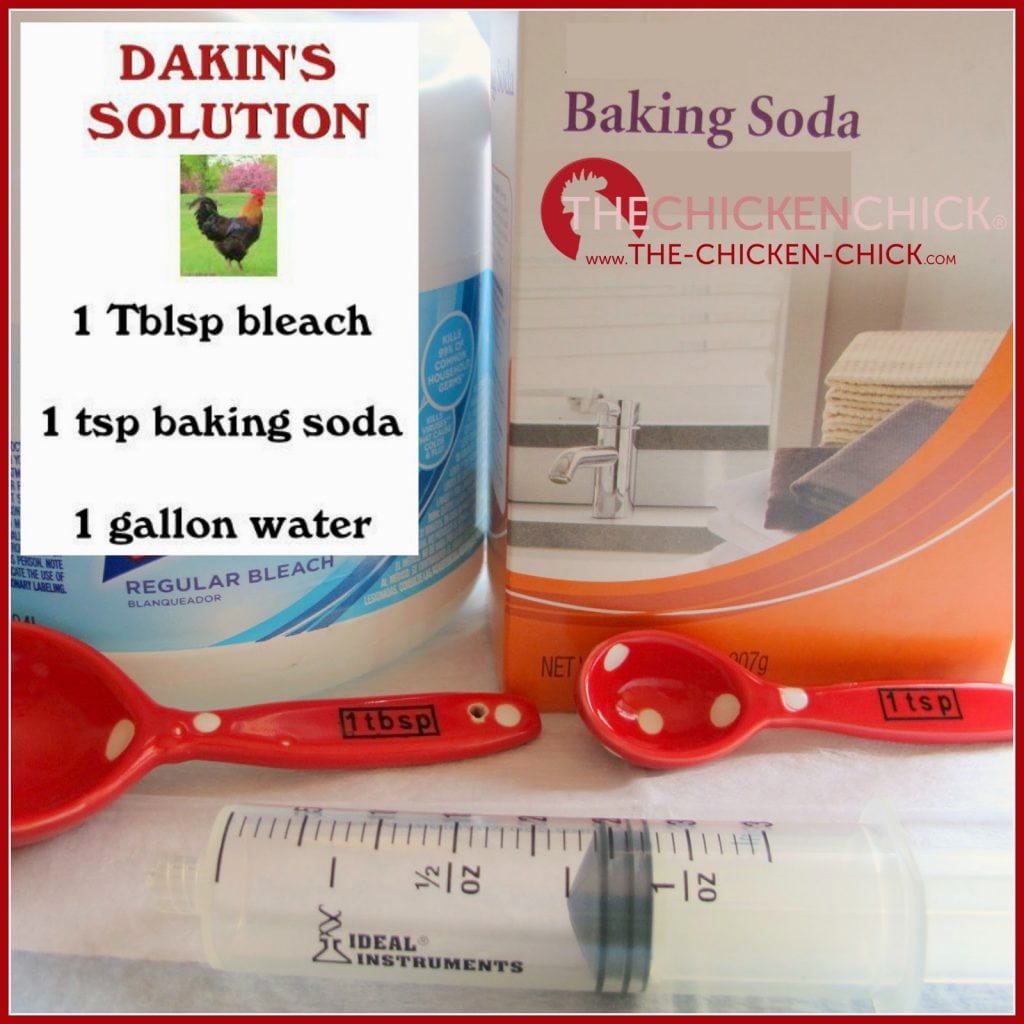
For very deep or very dirty wounds, either chlorhexadine ii% solution sprayor freshly mixed Dakin'due south solution can be squirted into it with asyringe to debride and irrigate. Dakin's solution is made by adding ane tablespoon of bleach plus one teaspoon of blistering soda to i gallon of water. It should exist freshly mixed daily.
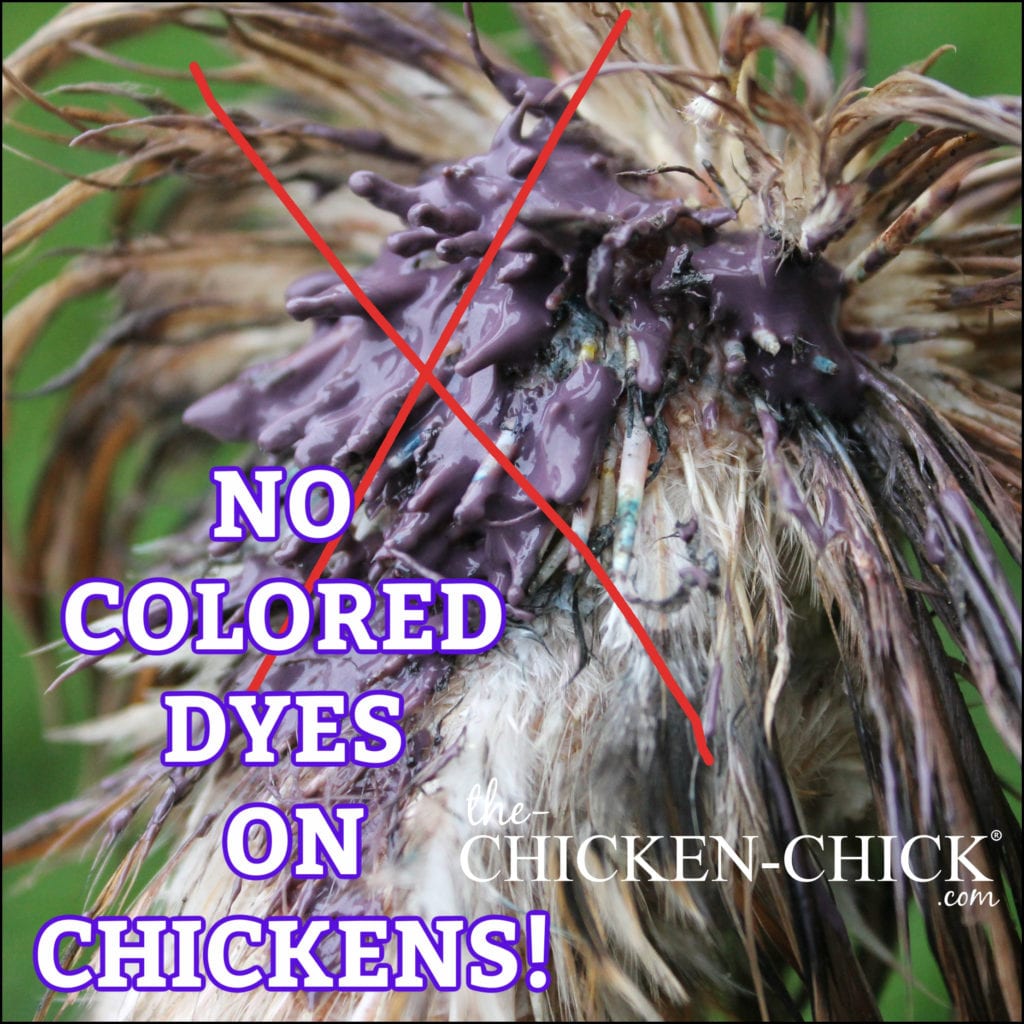
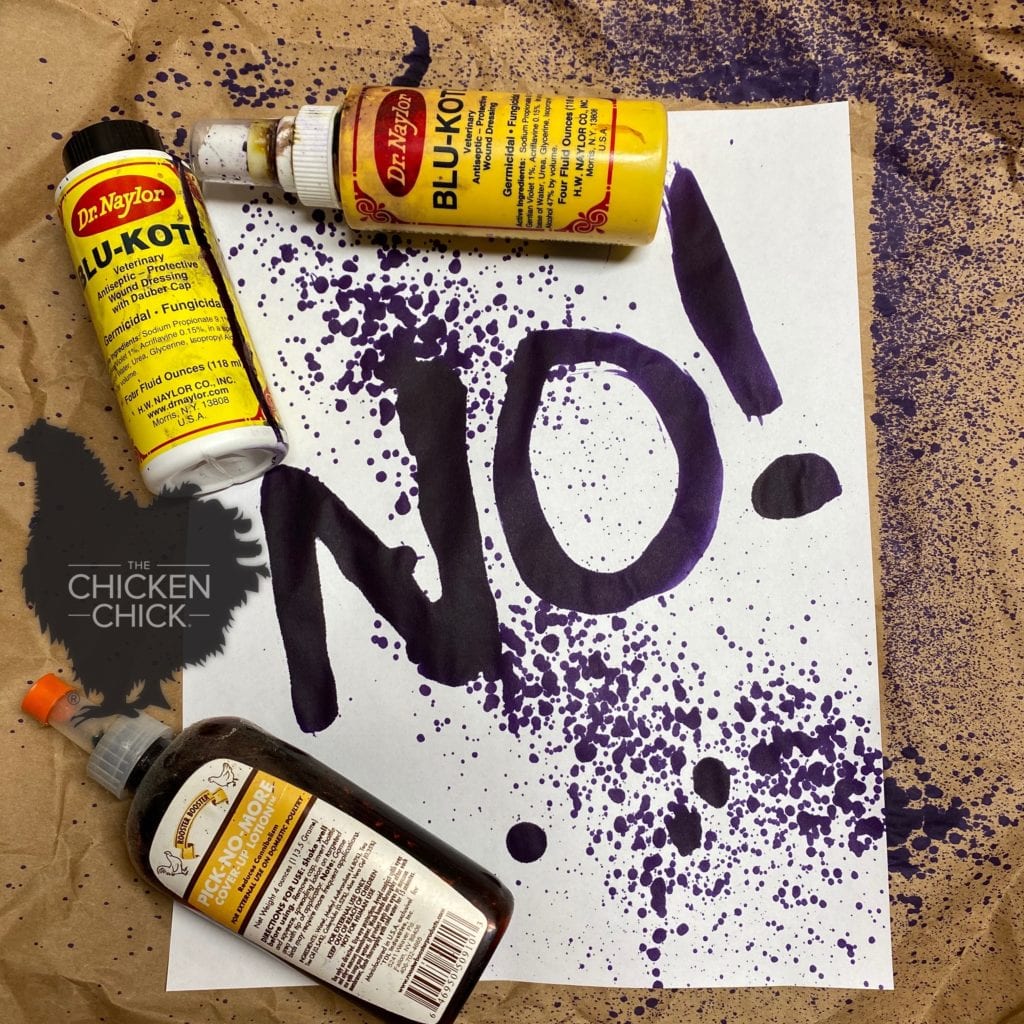
I exercise not recommend using booze-based antiseptic liquids with blue, regal, or red dyes for a few reasons. Showtime, an alcohol-based production on a wound stings similar burn. Contrary to popular conventionalities, dying a craven's skin and feathers does not disguise an injury or protect the injured bird from being cannibalized by flockmates. Chickens have outstanding color vision; if anything, the dye draws attention to the brightly colored wound. Injured chickens should always be isolated until fully healed, not colored like an Easter egg and left in the flock with fingers crossed, hoping for the all-time. Finally, color staining ingredients impede the ability to notice one of the kickoff signs of infection: redness. At that place are kinder, more effective wound care products labeled for utilise on food-producing animals such as Vetericyn Plus, which is the wound care production I utilize on my flock.
4. ELECTROLYTES
Adding avitamin/electrolyte supplement into the drinking water for a day or two can help with any stupor from the injury. Never give chickens electrolytes for more than than 3 days as it tin outcome in the opposite of the intended effect.
v. FOOD & WATER
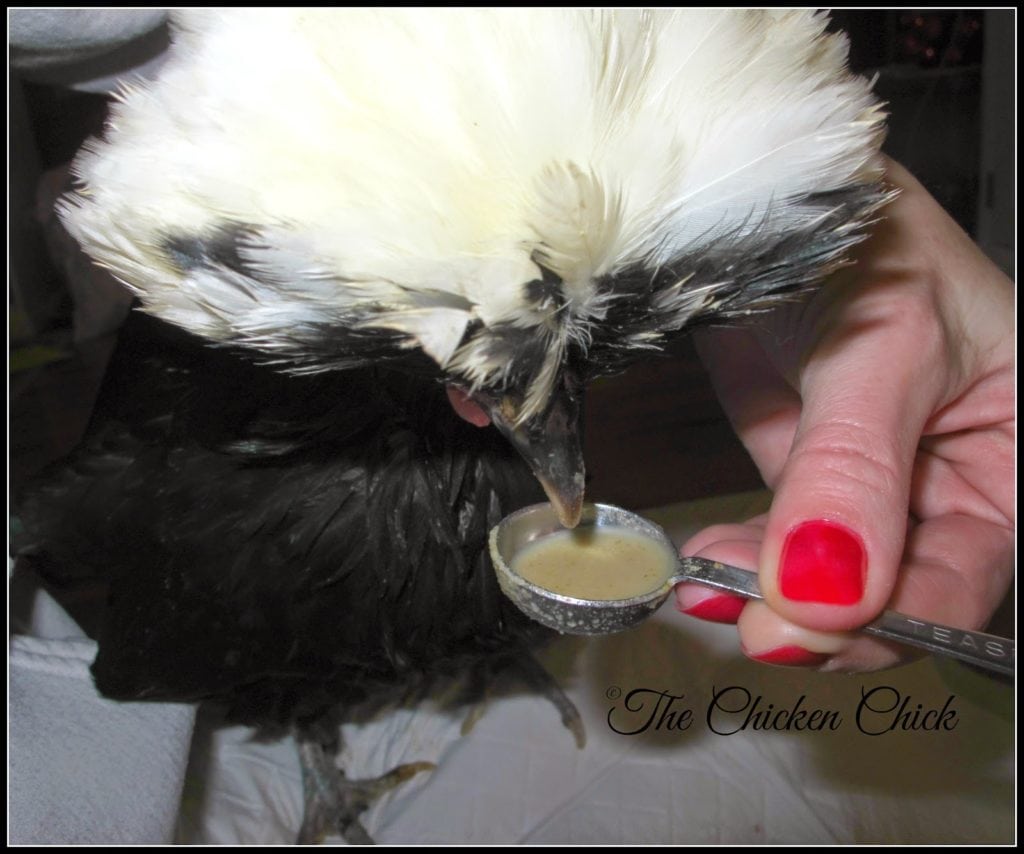
Keep the injured craven hydrated throughout the crisis even if that means offering water by spoon or dropper frequently.H2o is involved in every aspect of a craven'south metabolism from regulating trunk temperature todigesting food, and eliminating body wastes and a dehydrated bird will have difficulty recovering.
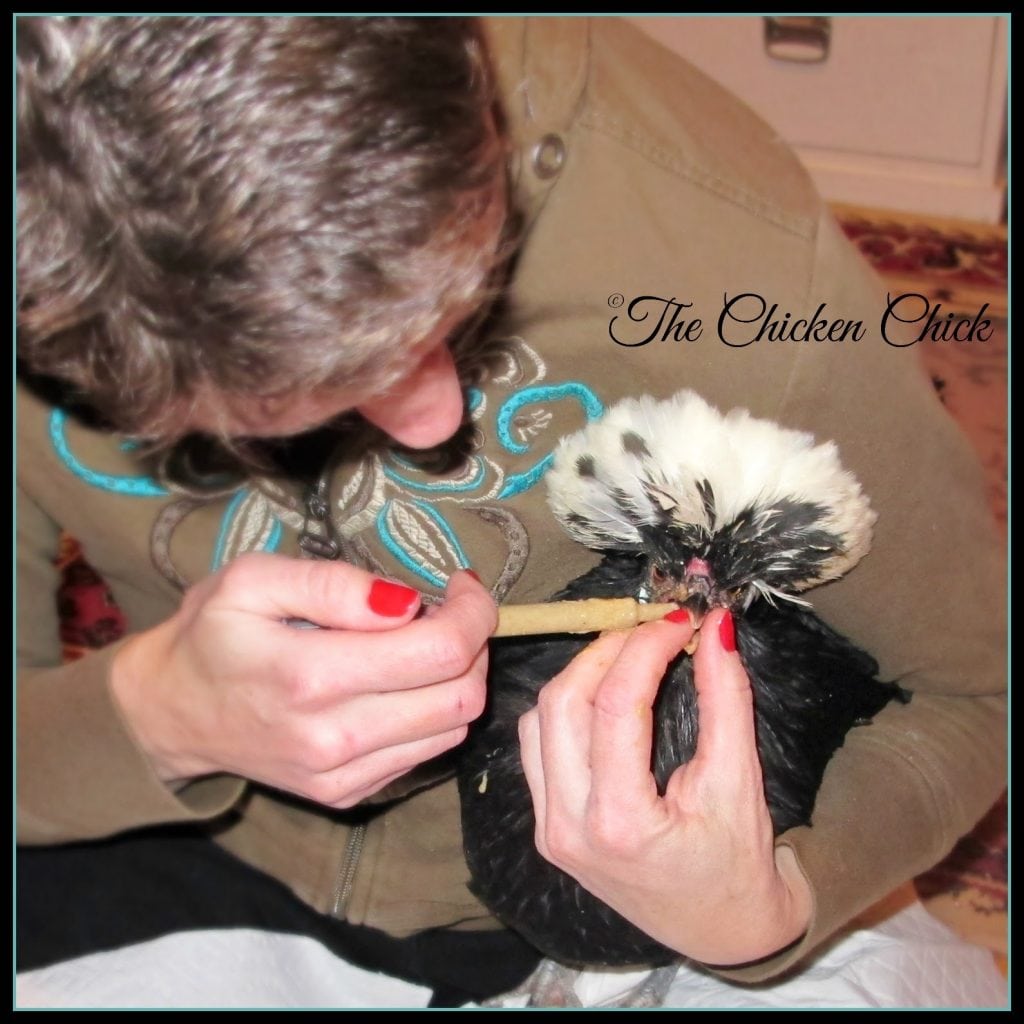
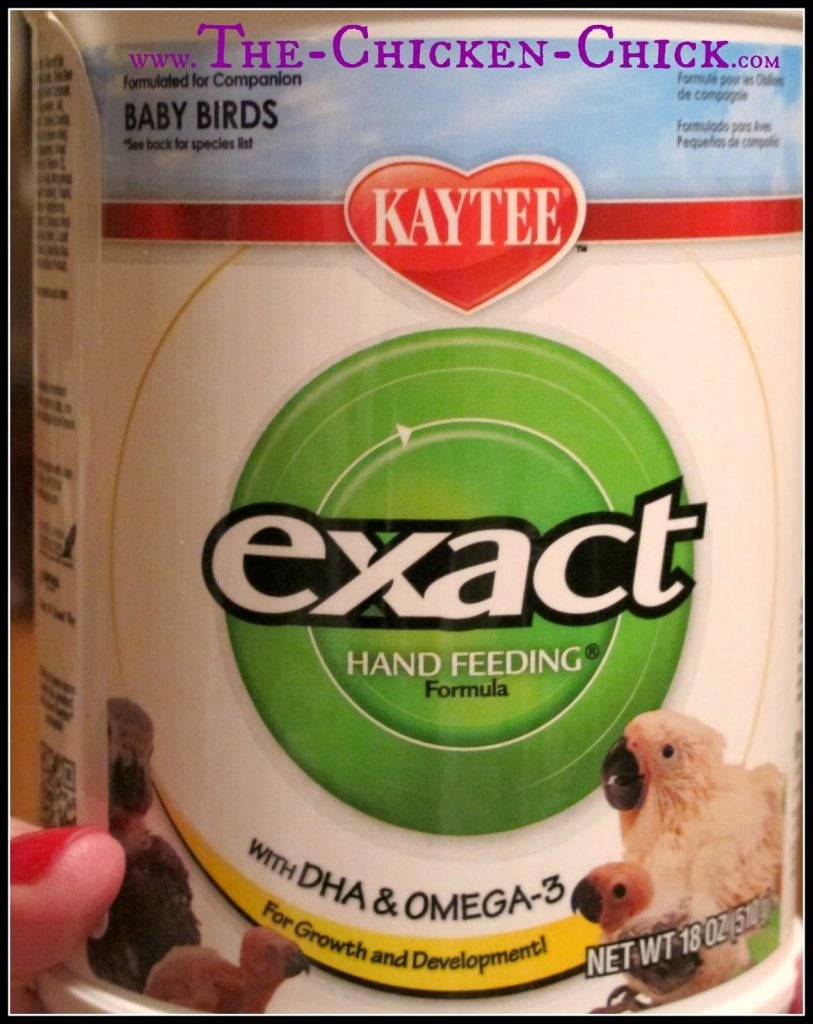
Nutrient is much less disquisitional than water initially for an injured bird, but if the chicken is not eating independently in a day or then after the injury, they can exist fed past spoon,dropper, syringe or tube fed a liquid diet.
6. Hurting CONTROL
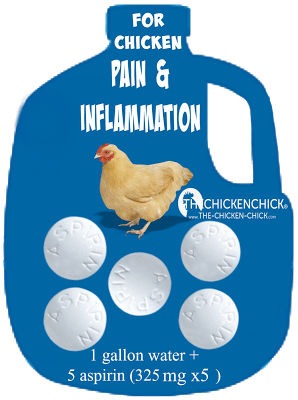
Their unfortunate position about the bottom of nature's nutrient chain requires that chickens behave stoically when sick or injured so as non to depict unwanted attention. Chickens do not offer facial expressions that would propose hurting or discomfort, but practise not fault their stoicism for a lack of pain- chickens do feel pain. Equally long as there are no internal injuries, an aspirin drinking water solution can be offered to an injured chicken for a maximum of three days at the ratio of v aspirin tablets (total of 325 mg) to one gallon of water. Meloxicam 1.5 mg/ml oral solution is a frequently-prescribed anti-inflammatory for chickens, just a veterinarian must prescribe information technology along with the dosage by weight and any egg withdrawal period.
7. INFECTION Command
Proceed the wound clean and dry out while the bird recovers. I recommend using Vetericyn Wound & Infection intendance spray three times a day until the bird has healed. Watch for signs of infection such every bit swelling and redness in the area. If antibiotics are necessary, contact your vet or land Agricultural Extension Service's poultry agent (listHERE).
8. INTERNAL INJURIES
If an injured craven does not answer to treatment or declines in status, suspect infection and/or internal injuries. Just a veterinarian tin can assistance if a bird needs handling for internal injuries.
RETURNING AN INJURED BIRD TO THE FLOCK
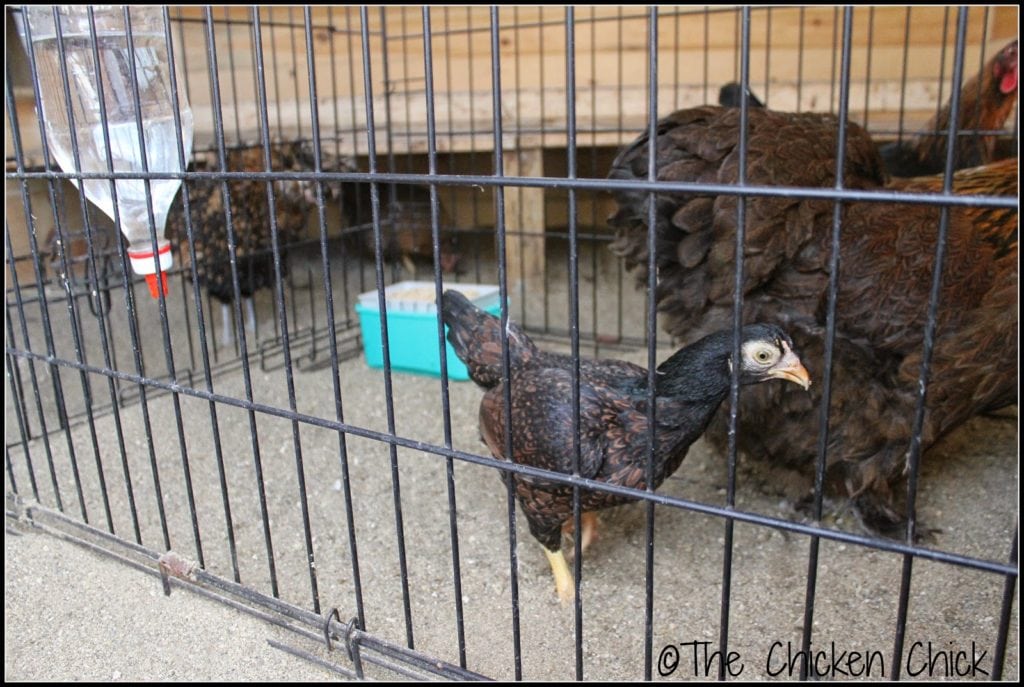
An injured chicken should exist 100% healed with no visible signs of blood or scabbing before being returned to the flock. Covering it up with a royal dye product is not an adequate substitute for fourth dimension and healing. Treat the injured bird similar a stranger when reintroducing it to the flock. I recommend thePlaypen Method for a conflict-free reunion. Patience is the primal to success. Acquire about the Playpen MethodHERE.
RESOURCES
Tap into whatever/all of these resources as needed:
- Lath certified avian vetsHither
- Your land veterinary diagnostic laboratory(*MA labHERE, NH labHERE)
- Your country veterinarian (listHere)
- The USDA's Veterinary Services at 1-866-536-7593 (free consultation with a vet past phone)
- Your state Agricultural Extension Service'south poultry agent (listingHere)
Yous May Also Like
Source: https://the-chicken-chick.com/how-to-care-for-injured-chicken-and/
0 Response to "Chicken Got Attacked Now Walking Funny"
Post a Comment